By the time 2026 arrived, the 2025 Snapdragon Pro Series Mobile Masters Mobile Legends: Bang Bang had already settled into esports memory—not as a mere date on a calendar, but as a story about how a mobile circuit could turn a city into a global living room. The tournament had been the crowning moment of Year 3 of ESL FACEIT Group’s and Qualcomm’s Snapdragon Pro Series, and its stage in Jakarta, Indonesia, carried a simple question: what turns a championship into a memory? Was it the up to USD $200,000 prize pool, the twelve teams, or the feeling that the Tennis Indoor had become a meeting point for a community that refused to be small?

A Stage Built for a Mobile Heartland
The Snapdragon Pro Series had long described itself as the world’s largest multi-game mobile esports circuit, but the choice of Indonesia for Mobile Masters 2025 told a more specific story. Southeast Asia’s love for mobile gaming was not an abstract market trend; it was a daily habit, a shared language, and a reason for fans to fill arenas. Jakarta, one of the largest markets for MLBB, gave the event a natural heartbeat. The city did not simply host a tournament. It gave the tournament a home crowd with something to prove.
Organizers framed the decision as a way to build on the region’s passion, community engagement, and commitment to competitive gaming. For the twelve participating teams, the Tennis Indoor was not just a venue. It was a test of nerve, preparation, and the ability to perform while an international audience watched. The stage promised tension, but it also promised something warmer: a place where fans could meet creators, try side activities and mini-games, hear indie music performances, and join coaching sessions. The competition was the spine of the event, but the community was the blood.
Twelve Teams, One Question
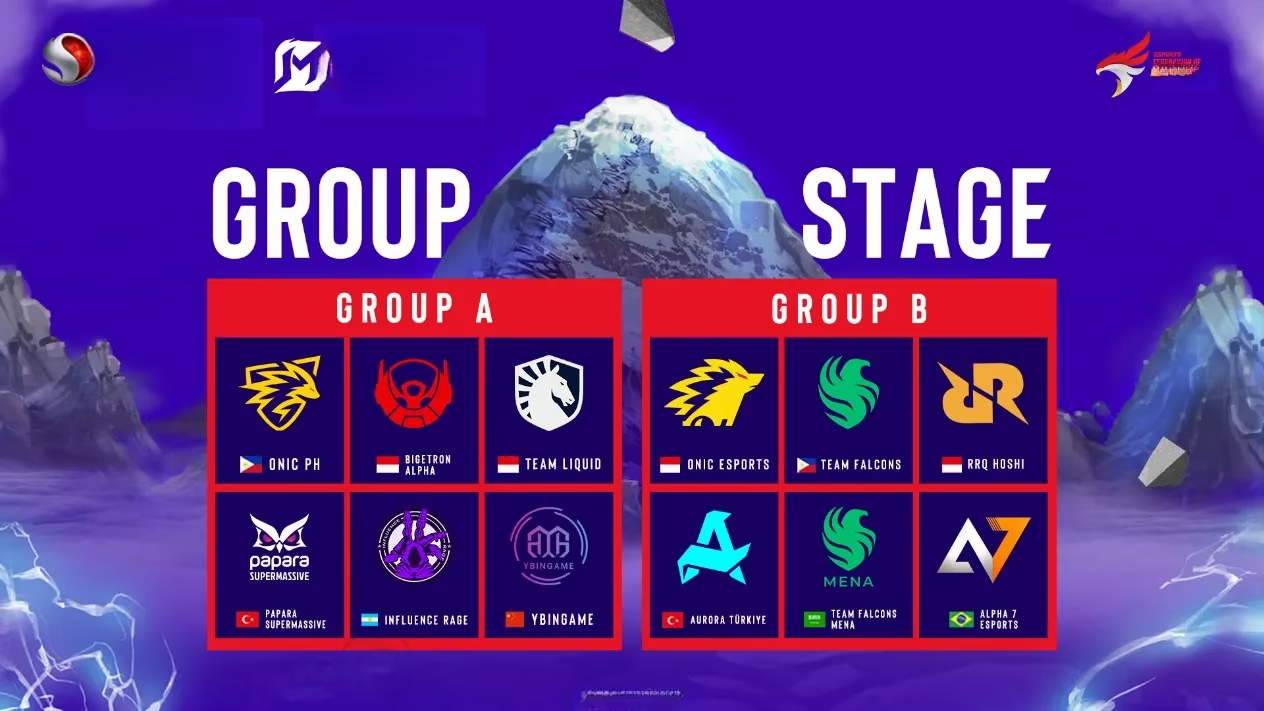
What does a world champion actually prove? In Jakarta, the answer was not only mechanical skill. The event gathered twelve teams for an international competition, and every squad arrived with its own story of regional pride, practice routines, and narrow escapes. The prize pool of up to USD $200,000 gave the bracket weight, but the title gave it meaning. One squad would claim the lion’s share and the world champion crown, while the others would leave with lessons that no scrim could teach.
| Thread of the 2025 story | How it showed up |
|---|---|
| 🏆 The crown | Twelve teams chased one world champion title |
| 💰 The stakes | Up to USD $200,000 on the line |
| 📍 The stage | Tennis Indoor, Jakarta, Indonesia |
| 🌏 The region | Southeast Asia’s mobile-first esports passion |
| 🎤 The fan layer | Creators, mini-games, indie music, coaching sessions |
Michael Kiefer, Global Senior Product Manager at ESL FACEIT Group, described Mobile Masters as a pivotal moment for the Snapdragon Pro Series each year. His point was not just about matches. It was about bringing an international community together to celebrate the world’s best mobile teams. Indonesia, he suggested, had shown up as a hotspot for top-tier mobile competition, and the event was built to crown a champion in front of a global audience. That phrase—global audience—mattered. A mobile tournament in Jakarta could speak to fans far beyond the arena, because MLBB had already made the distance between screens feel short.
More Than a Bracket
If the bracket supplied the drama, the surrounding experience supplied the texture. Attendees could step away from the main stage and still feel part of the story. Side activities and mini-games invited casual fans to play. Popular creators from the mobile gaming scene gave the event faces and voices that audiences already trusted. Indie music performances added a local pulse. Coaching sessions turned spectators into learners, and learners into future competitors. Was that not the point of a mobile esports circuit at its best? To make the path from fan to player feel visible?
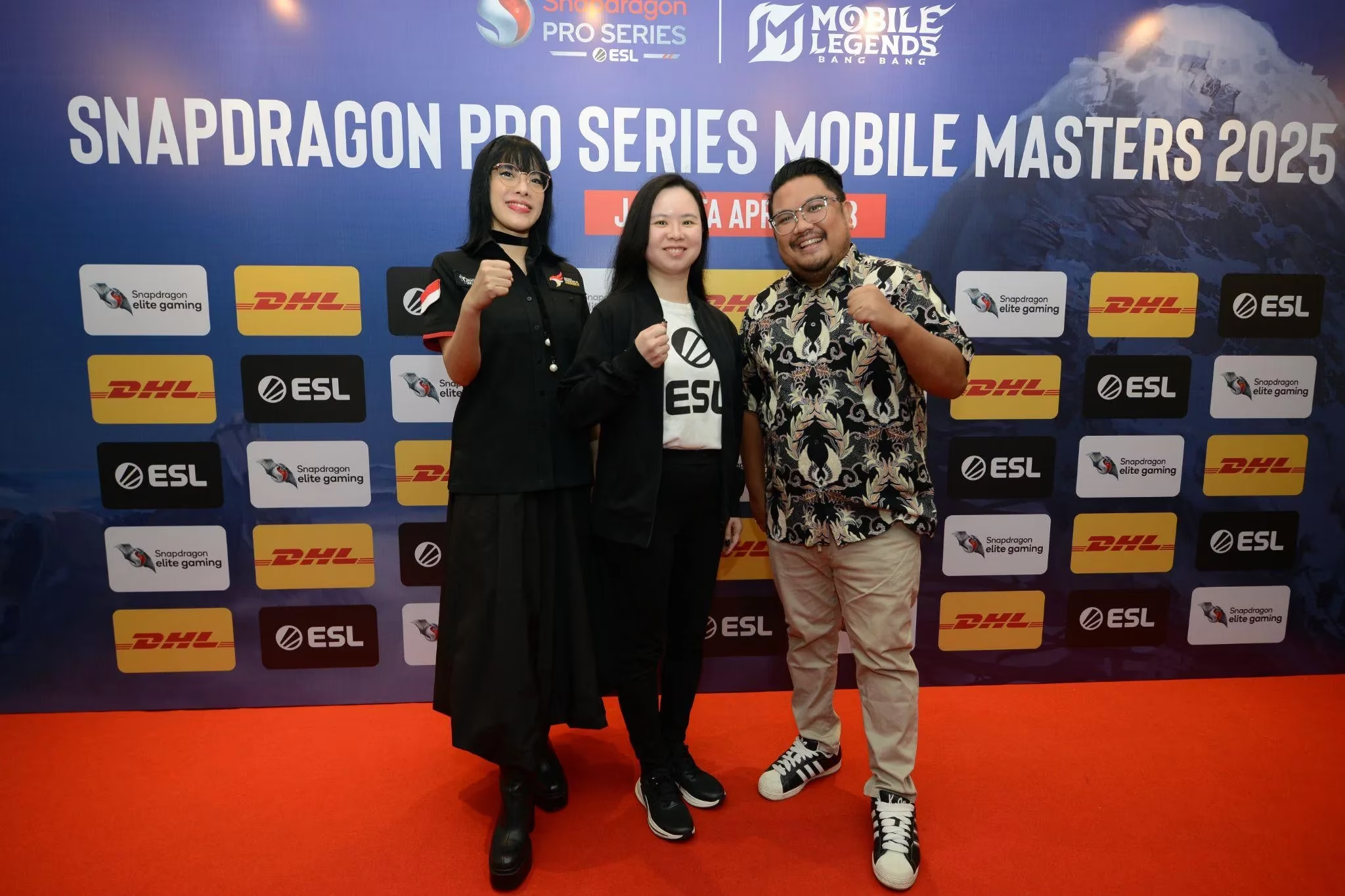
Caitlin Kang, Senior Director of Business Operations APJ, gave the event a broader frame during the Jakarta press conference on March 20, 2025. She emphasized that esports events celebrate competition, but also community. Historically, esports had been dominated by a male fan base, she noted, but that was changing rapidly, especially at Snapdragon Pro Series events. Her description was clear: the events were for everyone—men, women, fans of all backgrounds, and even families. That idea gave Mobile Masters 2025 a different kind of weight. It was not only a test of who could win. It was a demonstration of who could belong.
What Remained in 2026
By 2026, the esports world had more tournaments, more screens, and more noise. Yet the 2025 Mobile Masters in Jakarta remained a useful reference point because it connected three things that are often separated: elite competition, local culture, and community access. The twelve teams gave the event its competitive edge. The up to USD $200,000 prize pool gave it stakes. The Tennis Indoor gave it a stage. But the fans, creators, musicians, coaches, and families gave it a soul.
The story of Snapdragon Pro Series Mobile Masters MLBB 2025 was therefore not simply a story about a trophy. It was a story about a mobile esports circuit learning that the biggest victories can happen in the space between matches—when a fan tries a mini-game, a family finds a shared seat, a creator meets a young player, or a city proves that it can host the world. In the end, the question was not whether Jakarta could fill a stage. The question was whether the stage could hold everyone. For one memorable chapter of the Snapdragon Pro Series, it tried to do exactly that.